
Why Hot Tea Still Holds a Special Place Worldwide
Hot tea is more than a beverage. It is a daily pause shared across cultures, climates, and generations. Long before cafés, trends, or modern wellness movements, people were already warming water, steeping leaves, and gathering around cups of tea.
What makes hot tea timeless is not fashion. It is rhythm. Tea fits naturally into mornings, afternoons, and quiet evenings. It does not rush the body or overwhelm the senses. Instead, it creates space for calm, reflection, and balance.
Across the world, hot tea appears in homes, streets, ceremonies, and workplaces. Each culture prepares it differently, yet the intention remains the same: warmth, comfort, and presence.
Table of Contents
The Emotional Meaning of Hot Tea
Hot tea is deeply emotional.
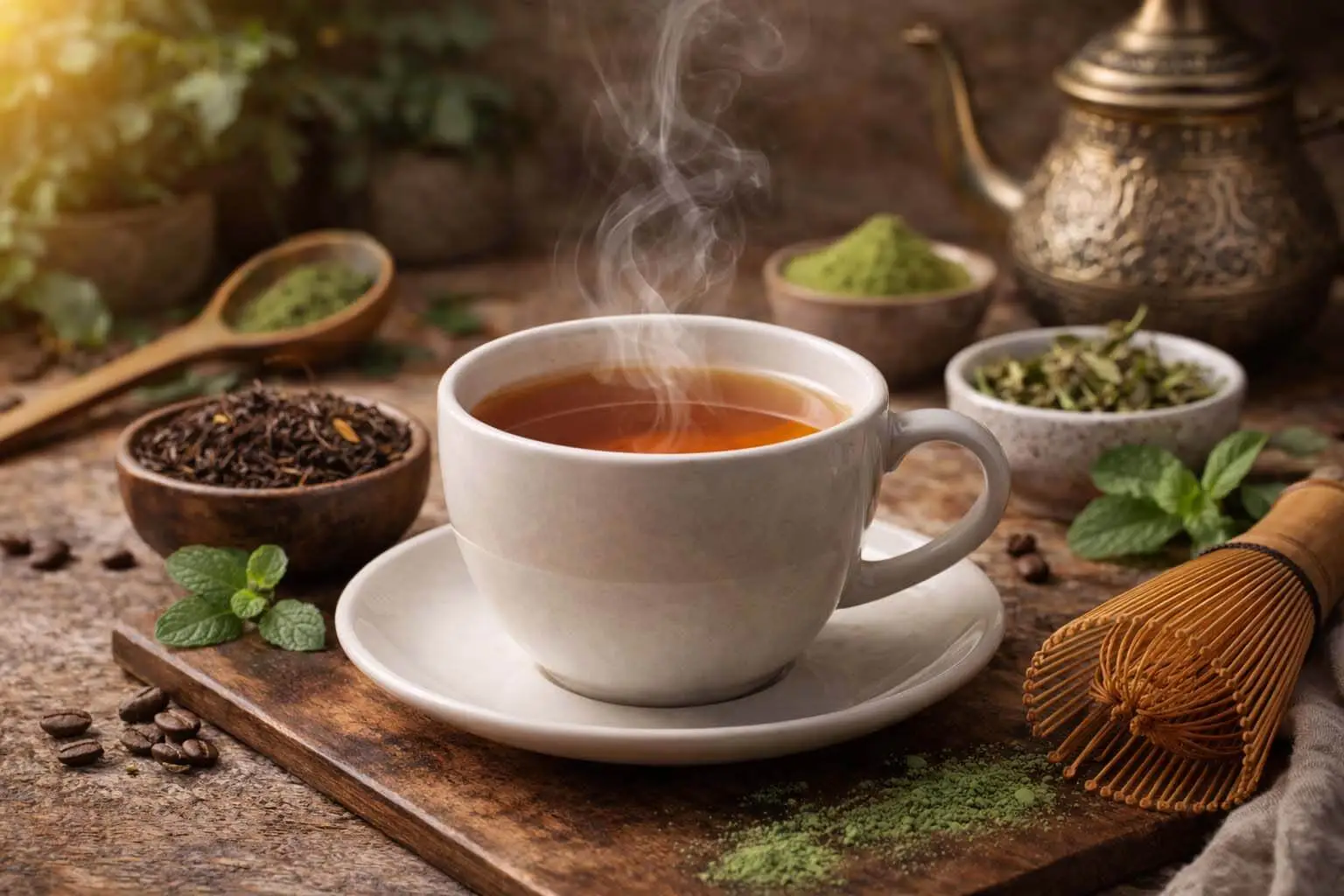
The steam rising from the cup, the gentle aroma, and the warmth in the hands create a sense of reassurance even before the first sip.
For many people, tea represents safety and continuity. It is associated with family, tradition, and moments of quiet connection. This emotional layer explains why people often return to the same type of tea for years, sometimes for life.
Unlike drinks designed for stimulation, hot tea invites stillness. It allows the mind to settle while the body gently responds to warmth.
Black Tea: Strength and Familiarity
Black tea is one of the most widely consumed hot drinks in the world. Known for its deep color and bold character, it forms the backbone of tea culture in many regions.
In countries like the United Kingdom, India, and parts of Africa, black tea is part of daily life. It is often enjoyed in the morning or during breaks, sometimes with milk, sometimes plain.
Black tea feels reliable. It delivers warmth, structure, and a sense of routine. For many, it is not a choice — it is a habit rooted in comfort.
Green Tea: Balance and Clarity
Green tea is closely associated with calm and mindfulness. Its lighter body and fresh notes make it a favorite in East Asia and increasingly around the world.
People often choose green tea when they seek focus without intensity. It feels clean, gentle, and grounding.
Hot green tea is commonly enjoyed slowly, allowing the drinker to stay present with each sip. This mindful approach is part of what makes it so meaningful beyond taste.
White Tea: Simplicity and Subtlety
White tea is one of the least processed teas, and its character reflects that simplicity.
It is soft, delicate, and understated. People who enjoy white tea often appreciate subtle experiences rather than bold flavors.
Hot white tea is typically chosen during quiet moments. It feels light on the body and calm on the senses, making it ideal for reflective pauses.
Oolong Tea: The Bridge Between Worlds
Oolong tea sits between green and black tea, offering complexity without heaviness.
In regions like China and Taiwan, oolong tea is deeply respected. Its preparation is often intentional, sometimes ceremonial.
Hot oolong tea changes with each infusion, offering layers of flavor that unfold slowly. This evolving nature makes it especially appealing to those who enjoy exploration without excess.
Herbal Tea: Comfort Without Caffeine
Herbal teas are enjoyed worldwide for relaxation and emotional comfort.
Chamomile, mint, ginger, hibiscus, and countless other herbs are steeped in hot water to create soothing experiences rather than stimulation.
People often turn to herbal teas in the evening or during moments of rest. These teas are about care, not performance. They are chosen for how they make people feel, not how they energize them.
Regional Hot Tea Traditions Around the World
British Tea Culture: Ritual and Routine
In Britain, hot tea represents stability. It accompanies conversations, breaks, and daily rhythms.
Tea is rarely rushed. It is prepared with intention and shared generously, reinforcing social bonds.
Moroccan Mint Tea: Hospitality in a Glass
In Morocco, hot mint tea is a symbol of welcome and respect.
Prepared with green tea and fresh mint, it is poured from height and served with care. The experience is social, warm, and deeply cultural.
Chinese Tea Traditions: Presence and Precision
Chinese tea culture values mindfulness and respect for the process.
Hot tea is brewed carefully, often multiple times, allowing flavors to evolve. The act of drinking tea becomes a form of meditation.
Japanese Tea Culture: Stillness and Respect
In Japan, hot tea is closely tied to calm and discipline.
Whether in traditional settings or daily life, tea is approached with simplicity and intention. The focus is on balance, not excess.
Why People Choose Hot Tea Daily
Hot tea continues to be chosen because it meets human needs naturally.
It provides warmth when the body seeks comfort.
It encourages calm without forcing rest.
It fits easily into daily routines without demand.
These qualities explain why people rarely abandon tea, even when experimenting with other drinks.
Hot Tea at Home Versus Tea Outside
Tea enjoyed outside offers atmosphere and variety. Tea at home offers control and familiarity.
At home, people adjust strength, temperature, and steeping time intuitively. This personal control often leads to deeper satisfaction.
Many tea lovers enjoy recreating global tea styles at home, not to replicate perfection, but to make the experience their own.
Finding Balance When Preparing Hot Tea at Home
One of the quiet challenges of tea preparation is balance.
Small changes in water temperature, leaf quantity, or steeping time can shift the entire experience. Some rely on intuition, while others appreciate gentle reference tools that help maintain consistency.
This is where supportive tools can quietly enhance confidence without removing creativity.
A Gentle Way to Explore Hot Tea with SpoonCalc
Exploring different tea styles at home does not require strict rules.
Using a simple reference tool like SpoonCalc allows home drink makers to understand basic ratios and adjustments without turning tea into a rigid formula.
SpoonCalc is not there to replace intuition.
It supports it.
By removing guesswork, it helps people experiment safely, repeat what works, and enjoy better results with less frustration — especially when trying new tea styles from different cultures.
Final Thoughts
Hot tea remains one of the world’s most cherished drinks because it respects human rhythm.
It does not demand attention.
It does not rush experience.
It simply offers warmth, presence, and quiet connection.
Across cultures and generations, people continue to return to hot tea — not because they have to, but because it feels right.
Frequently Asked Questions
Is hot tea more popular than cold tea worldwide?
Yes. While cold tea continues to grow in popularity, hot tea remains the most commonly consumed form globally, especially as a daily ritual.
Which type of hot tea is the most consumed?
Black tea is among the most widely consumed worldwide, followed closely by green tea and herbal varieties depending on region.
Why do people prefer hot tea over other drinks?
Warmth, emotional comfort, and gentle balance make hot tea ideal for daily consumption.
Can global tea styles be prepared at home?
Yes. With basic tools and mindful preparation, many traditional tea styles can be enjoyed at home.
How can SpoonCalc help with tea preparation?
SpoonCalc helps home drink makers understand basic ratios and adjustments, allowing for consistent results while preserving creativity.
2 thoughts on “Hot Tea Around the World: Why People Keep Choosing Warm Cups of Calm”