
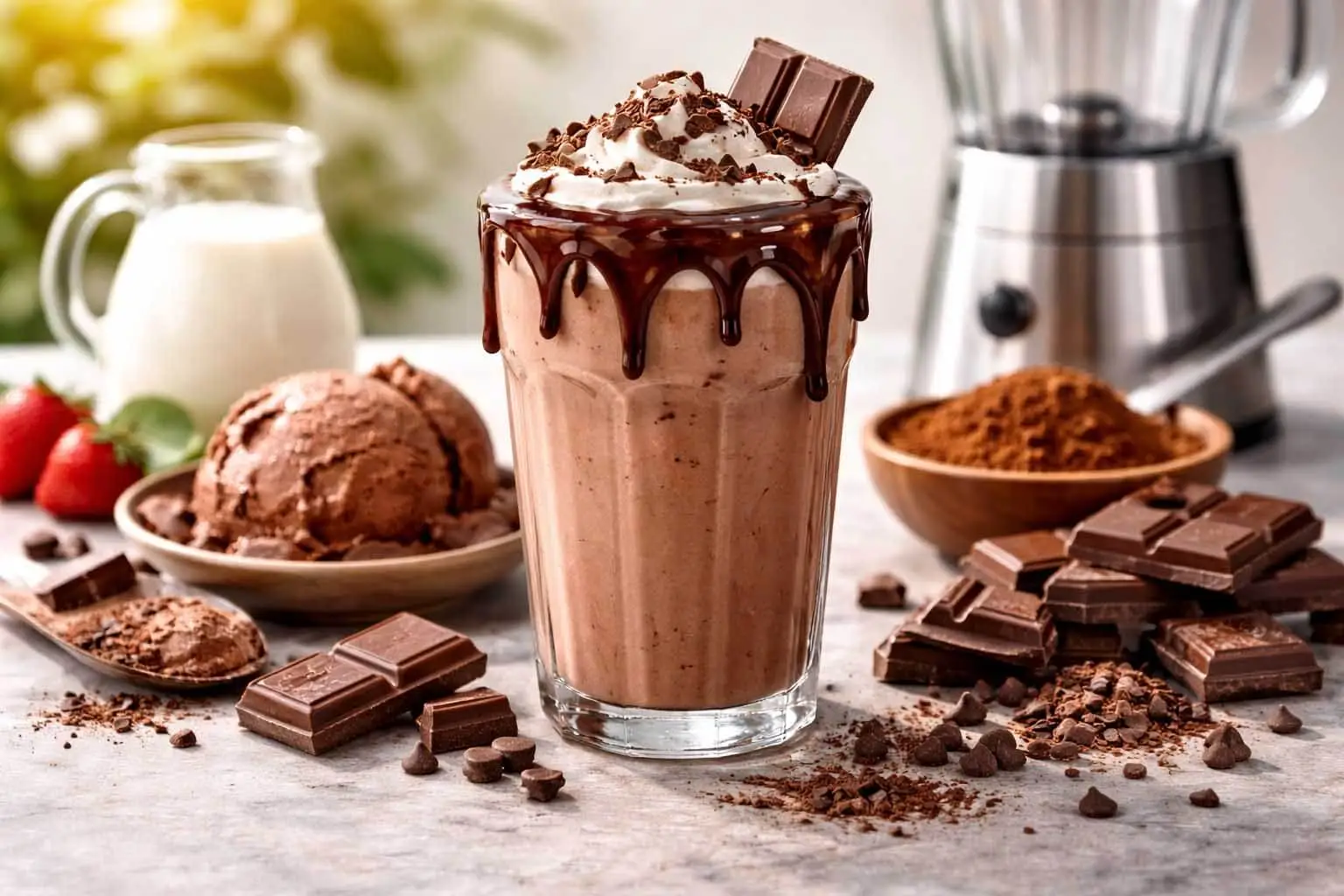
Chocolate milkshake is not just another sweet drink.
It is memory, comfort, and familiarity blended into a glass.
Across generations, cultures, and lifestyles, chocolate milkshake continues to hold its ground. It doesn’t need reinvention, bold claims, or seasonal hype. People don’t drink it to impress anyone. They drink it because it feels right.
This article explores why chocolate milkshake remains timeless, the types people love, how it’s prepared, when it fits best, and how balance quietly shapes the experience.
Table of Contents
The Emotional Pull of Chocolate Milkshake
Chocolate has a unique emotional language.
It signals comfort without explanation. It feels safe. Familiar. Reassuring.
When blended with milk, chocolate softens. It becomes less intense, more welcoming. That’s why chocolate milkshake often appears during moments of pause—after long days, quiet evenings, or when people simply want something that feels gentle.
It doesn’t rush.
It doesn’t challenge.
It settles.
Why Chocolate Milkshake Never Feels Outdated
Some drinks follow trends. Chocolate milkshake survives them.
The reason is simple: it adapts without changing its identity.
Whether made thick or light, rich or subtle, chocolate milkshake keeps its core promise—comfort without effort. It fits childhood memories just as easily as adult routines.
People return to it not because it’s exciting, but because it’s dependable.
Classic Chocolate Milkshake: The Foundation
The classic version sets the tone.
Milk
Chocolate flavor
A smooth, drinkable texture
Nothing more is required.
This version is often preferred by people who value simplicity. It’s not about indulgence—it’s about balance. Too much sweetness overwhelms. Too much chocolate dulls the drink.
When balanced correctly, the classic chocolate milkshake feels calm and complete.
Dark Chocolate Milkshake: Depth Without Excess
Dark chocolate milkshake offers a more grounded experience.
It leans less sweet and more reflective. The flavor is deeper, quieter, and often preferred by those who enjoy chocolate without sugar dominance.
This version works well for evenings or slower moments. It doesn’t feel playful—it feels intentional.
Chocolate Milkshake With Natural Additions
Chocolate pairs naturally with other ingredients, but restraint matters.
Popular additions include:
- Banana for softness
- Peanut butter for richness
- Coffee for subtle bitterness
- Oats for body and fullness
The best versions don’t announce these additions loudly. They let chocolate remain the anchor while other flavors support quietly.
How Chocolate Milkshake Is Prepared (Without Overthinking)
Preparation doesn’t need complexity.
A good chocolate milkshake depends on:
- Milk temperature
- Chocolate balance
- Texture consistency
Blending too long introduces air and dulls flavor. Blending too briefly leaves uneven texture.
The goal is smoothness without foam, richness without heaviness.
This is where many homemade versions fall short—not because of ingredients, but because of imbalance.
When Chocolate Milkshake Fits Best
Chocolate milkshake is versatile, but it shines in specific moments.
Afternoon Comfort
It works perfectly between meals when hunger isn’t urgent but comfort is.
Evening Wind-Down
Chocolate’s warmth pairs well with slower hours, especially when sweetness is kept gentle.
Emotional Reset
People often choose chocolate milkshake when they want familiarity—not stimulation.
It’s not a “wake-up” drink.
It’s a “settle-in” drink.
Homemade vs Café Chocolate Milkshake
Cafés offer consistency and atmosphere.
Home offers control.
At home, people can:
- Adjust sweetness naturally
- Choose milk type freely
- Modify thickness intuitively
Many café-style chocolate milkshakes are sweeter than necessary. Homemade versions often feel calmer and more personal.
This is why people increasingly recreate chocolate milkshakes at home—not to replicate cafés, but to soften the experience.
Texture Matters More Than Flavor
Chocolate milkshake is as much about texture as taste.
Too thin feels forgettable.
Too thick feels heavy.
The ideal texture sits quietly between—smooth, drinkable, and satisfying without effort.
Small changes in ratios dramatically affect this balance. That’s why consistency can be difficult to achieve repeatedly without guidance.
A Simple Way to Improve Balance at Home
When ingredients are familiar, balance becomes the real challenge.
Some home drink makers rely on instinct. Others appreciate gentle support that helps them adjust proportions without removing creativity.
This is where tools like SpoonCalc naturally fit into the process. They don’t dictate recipes—they help refine balance. Chocolate milkshakes, in particular, benefit from subtle adjustments rather than dramatic changes.
The result feels more confident, repeatable, and satisfying.
Chocolate Milkshake Across Cultures
Chocolate milkshake appears globally, even if the name changes.
In some places, it’s lighter and less sweet.
In others, it’s thick and dessert-like.
Yet the intention remains the same: comfort in liquid form.
Its universality proves that chocolate milkshake is not a trend—it’s a shared human preference.
Why People Never Truly Stop Drinking Chocolate Milkshakes
People may explore new drinks, but they rarely abandon chocolate milkshake entirely.
It remains:
- Emotionally neutral
- Easy to enjoy
- Familiar across ages
It doesn’t require explanation or adaptation. That quiet reliability is what keeps it alive.
Final Thoughts
Chocolate milkshake doesn’t try to impress.
It doesn’t compete.
It doesn’t shout.
It simply remains.
In a world of endless drink variations, chocolate milkshake continues to offer something rare—comfort without complexity. Whether enjoyed casually or crafted with care, it holds its place naturally.
And that’s why people never truly outgrow it.
Frequently Asked Questions
Is chocolate milkshake considered a dessert or a drink?
It can be both. Many people enjoy it as a drink when sweetness is balanced and texture remains light.
Can chocolate milkshake be made less sweet?
Yes. Adjusting chocolate intensity and milk ratio can reduce sweetness significantly.
Is homemade chocolate milkshake better than café versions?
Often yes, because it allows control over sweetness, texture, and richness.
Does chocolate milkshake work year-round?
Absolutely. While often associated with warm weather, many people enjoy it throughout the year.
Why does balance matter so much in chocolate milkshakes?
Because small changes strongly affect sweetness, texture, and comfort—especially with simple ingredients.
1 thought on “Chocolate Milkshake: Why This Classic Never Loses Its Place”